
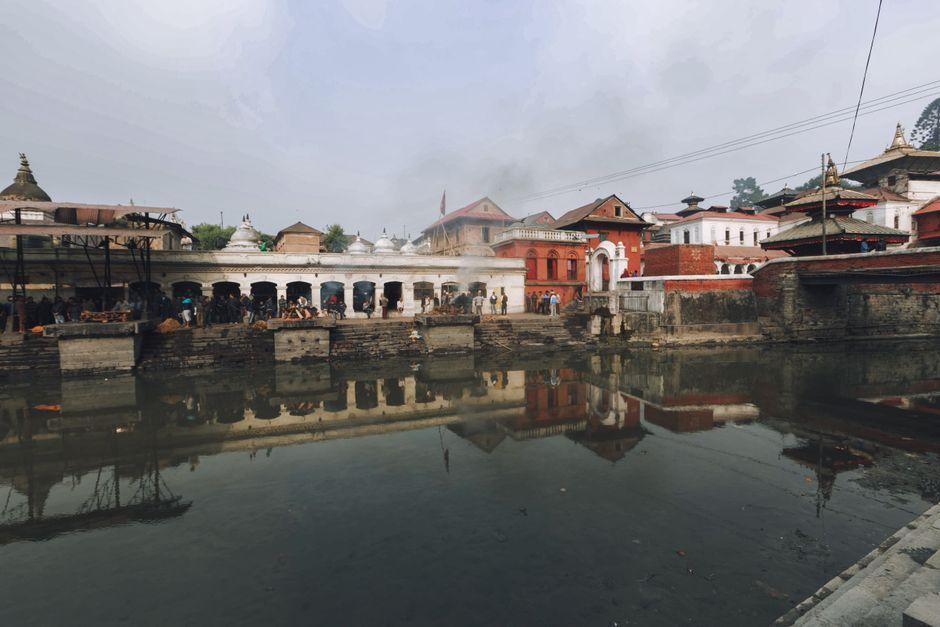
Complete budget guide to Pashupatinath Temple Nepal: entry fees, transport, accommodation, festivals, and tips for a spiritual visit.
Pashupatinath Temple Budget Travel Guide
Introduction
Pashupatinath Temple Nepal is one of the most revered hindu temples in the world. Situated on the banks of the Bagmati River in Kathmandu, this UNESCO World Heritage site draws pilgrims and curious travelers alike. Whether you are a spiritual seeker or a budget backpacker, this Pashupatinath Temple Budget Travel Guide will help you experience the complex without breaking the bank.
Getting There
By Air
Tribhuvan International Airport is only 5 km from the temple. A prepaid taxi or ride‑share costs roughly NPR 300‑400 and takes 15 minutes in light traffic.
By Public Transport
Local micro‑buses (called ‘sajha’) run from Ratna Park, New Bus Park, and Gongabu to the Pashupati area. Fare is about NPR 20‑30. Look for the sign ‘Pashupati’ on the windshield.
On Foot
If you stay in Thamel or Lazimpat, a 30‑minute walk along the Ring Road brings you to the main gate. Walking saves money and lets you soak in the city vibe.
Entry Fees & Timings
- Foreign nationals: NPR 1,000 (approx. USD 7.5) for the main temple complex.
- SAARC nationals: NPR 500.
- Nepalese citizens: Free.
The temple opens at 4:00 am and closes at 9:00 pm. Early morning visits avoid crowds and give you a peaceful view of the sunrise over the Bagmati.
Dress Code & Etiquette
- Wear modest clothing covering shoulders and knees.
- Remove shoes before entering the inner sanctum.
- Photography is allowed in the outer courtyard but prohibited inside the main shrine and near the cremation ghats.
- Keep voices low; this is an active place of worship and mourning.
Exploring the Complex
Main Shrine
The golden pagoda‑style roof houses the sacred lingam of Shiva. Only Hindus may enter the inner sanctum, but the outer courtyard offers excellent views and photo opportunities.
Deities & Shrines
Scattered around are smaller shrines dedicated to Ganesh, Bhairava, and the 108 Shiva lingams. Take time to walk the circumambulation path (pradakshina) for a meditative experience.
Bagmati River Ghats
The riverbanks host the famous cremation ghats. Observing the rituals from a respectful distance provides insight into Hindu concepts of life, death, and rebirth.
Cremation Ghats – What to Expect
The Arya Ghat and the newer electric crematorium operate daily. Bodies are brought on stretchers, wrapped in cloth, and placed on pyres. Families perform last rites while priests chant mantras. Remember:
- Do not touch the pyres or the ashes.
- Keep a respectful distance (at least 10 m).
- Avoid taking close‑up photos of the bodies.
Festivals & Special Days
- Maha Shivaratri (February‑March): The biggest celebration, attracting hundreds of thousands. Expect massive crowds, night‑long prayers, and free prasad distribution.
- Teej (August‑September): Women fast and pray for marital bliss; the temple grounds become a sea of red saris.
- Bala Chaturdashi (November): Devotees offer oil lamps and perform night vigils.
Visiting during a festival adds cultural depth but also raises accommodation prices. Book early if you plan to attend.
Budget Accommodation Near Pashupatinath
| Area | Type | Approx. Price (per night) | Notes |
|---|---|---|---|
| Chabahil | Guesthouse / Dormitory | NPR 800‑1,200 | 10‑minute walk, basic amenities |
| Boudha | Hostel | NPR 1,000‑1,500 | Close to Boudhanath Stupa, good transport links |
| Thamel | Budget Hotel | NPR 1,500‑2,500 | More dining options, 30‑min walk or short taxi |
Booking through local apps (e.g., HamroTrip, Booking.com) often yields better rates than walk‑in.
Food Options on a Budget
- Street stalls near the main gate serve dal‑bhat, momos, and sel roti for NPR 100‑150.
- Local canteens (bhojanalaya) offer thali meals around NPR 200‑300.
- Vegetarian restaurants in Chabahil cater to pilgrims; a full meal costs NPR 250‑350.
Carry a reusable water bottle and refill at filtered stations to avoid buying bottled water.
Money‑Saving Tips
- Combine visits – Pair Pashupatinath with Boudhanath and Swayambhunath in a single day using a day‑long taxi hire (≈ NPR 2,500).
- Use public micro‑buses instead of taxis for short hops.
- Carry small change (NPR 10, 20, 50) for temple donations and street food.
- Free entry for Nepalese – If you have a local friend, ask them to accompany you for the free entry benefit.
- Avoid peak festival dates unless you specifically want the experience; prices surge.
Travel Tips
- Altitude – Kathmandu sits at 1,400 m; most travelers adjust quickly, but stay hydrated.
- Connectivity – Buy a local SIM (Ncell or Ntc) at the airport for cheap data (≈ NPR 300 for 5 GB).
- Safety – Keep valuables in a hidden pouch; the area is safe but pickpockets operate in crowded festivals.
- Language – Basic Nepali greetings (Namaste, Dhanyabad) go a long way.
- Respect – Follow all signage; the temple authority enforces rules strictly.
FAQs
Q: Can non‑Hindus enter the main shrine?
A: Non‑Hindus may view the shrine from the outer courtyard but cannot enter the inner sanctum.
Q: Is there a dress code for women?
A: Yes, shoulders and knees must be covered. A long skirt or trousers with a shawl works well.
Q: Are there ATMs near the temple?
A: Several ATMs are located in Chabahil and Boudha; withdraw cash before entering the complex.
Q: What is the best time of day to visit?
A: Early morning (5‑7 am) offers cooler temperatures, fewer tourists, and a serene atmosphere.
Q: Can I hire a guide?
A: Licensed guides are available at the main gate for NPR 1,500‑2,000 per half‑day; they provide historical context and navigate rituals.
Conclusion
Pashupatinath Temple Nepal offers a profound blend of spirituality, history, and vibrant culture. With careful planning, you can explore the sacred complex, witness the timeless cremation rites, and join colorful festivals without overspending. Use this Pashupatinath Temple Budget Travel Guide as your roadmap: arrive early, dress modestly, leverage public transport, and savor local street food. Your journey to the heart of Hindu devotion will be both enriching and economical. Safe travels and Namaste!