
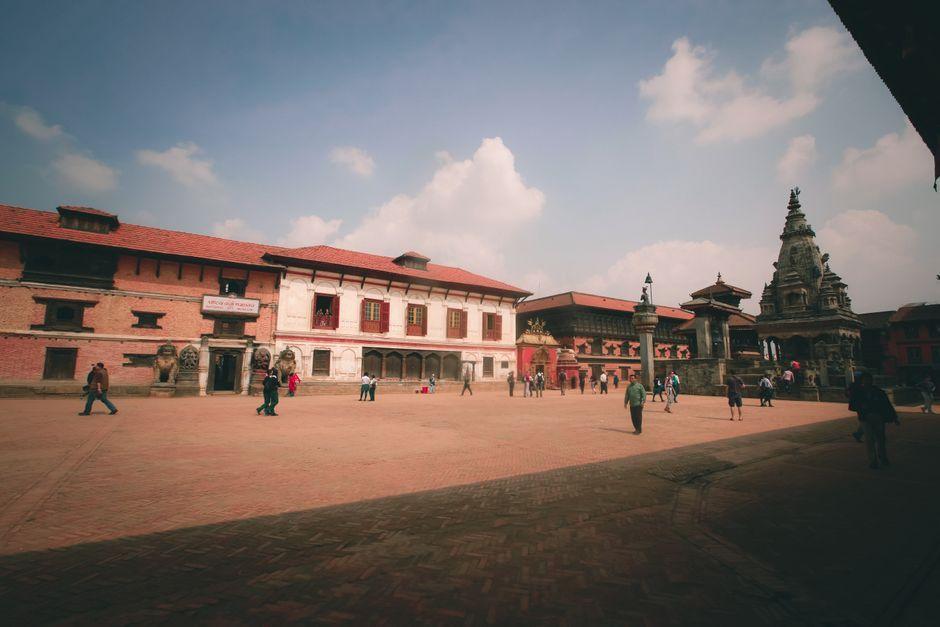
Explore Patan Durbar Square on a budget: tips, history, and hidden gems in this UNESCO site.
Patan Durbar Square Budget Travel Guide
Introduction
Patan Durbar Square Nepal is a vibrant tapestry of history, art, and spirituality that beckons every traveler who steps onto its ancient cobbles. As a UNESCO World Heritage site, the square offers a rare glimpse into the Newar civilization’s golden age, where intricate stone carvings, towering temples, and bustling markets coexist. This Patan Durbar Square Budget Travel Guide is designed for the curious explorer who wants to soak up the cultural richness without breaking the bank. From affordable lodging options to free or low‑cost attractions, you’ll find practical tips that turn a modest budget into an unforgettable adventure.
Why Visit Patan Durbar Square?
Patan, also known as Lalitpur, was the heart of the Newar kingdom for centuries. The square, surrounded by the majestic Kumbeshwar Temple, the Royal Palace, and a series of courtyards, is a living museum of Nepal’s architectural brilliance. UNESCO recognized the site for its outstanding universal value, noting the harmonious blend of religious and secular structures. For art lovers, the delicate wood carvings and bronze statues tell stories of mythic deities and royal ceremonies. History enthusiasts can trace the evolution of Nepalese art from the Licchavi period to the Malla dynasty. Spiritual seekers will feel the serenity of the ancient courtyards, where incense wafts and chants echo. All of this makes Patan Durbar Square Nepal a must‑see destination for anyone traveling on a budget.
Getting There: Transportation & Access
Reaching Patan Durbar Square is straightforward and inexpensive. The square lies just 5 kilometers southeast of Kathmandu’s city centre, a short ride on a local bus (route 7 or 9) that costs around NPR 10–15 per person. Taxis and ride‑hailing services like Pathao are also available; a typical fare from Thamel ranges from NPR 400 to 600, depending on traffic. For the adventurous, a shared micro‑bus (known locally as a “sanjay”) offers a cheap and authentic experience, costing roughly NPR 20. Once you arrive at the main gate, the square is pedestrian‑friendly, and you can explore on foot without any additional transport costs.
Entrance Fees & Opening Hours
The entrance fee to Patan Durbar Square is NPR 100 for foreign visitors and NPR 25 for Nepali nationals, a nominal charge that contributes to preservation efforts. The square opens daily from 7:00 am to 5:00 pm, with the last entry at 4:30 pm. Early morning visits are ideal for photography, as the soft light highlights the intricate carvings and the square is less crowded. On weekends and Nepali holidays, the square may be busier, but the fee remains the same. Keep a small amount of cash on hand, as some nearby vendors do not accept cards.
Budget Accommodation & Food Options
Patan offers a range of budget‑friendly accommodations, from guesthouses in the surrounding neighborhoods to hostels near the square. A clean private room in a family‑run guesthouse can be booked for NPR 800–1,200 per night, while dormitory beds start at NPR 400. For a truly immersive experience, consider staying in a traditional Newar house that offers home‑cooked meals for around NPR 300 per day. Food stalls around the square serve dal bhat, momos, and local snacks for NPR 150–300 per meal, making it easy to enjoy authentic flavors without overspending. Don’t miss the chance to try “chatamari,” a Newari rice crepe that’s both delicious and affordable.
Exploring the Square: Must‑See Attractions
Kumbeshwar Temple
Dominating the northern side of the square, Kumbeshwar Temple is a five‑tiered pagoda dedicated to Lord Shiva. The temple’s massive bronze bell, known as the “Kumbeshwar Bell,” is rung during religious festivals, creating a resonant sound that reverberates through the courtyard. Entry is free, and you can spend time admiring the intricate wood carvings on the eaves, the stone statues of guardian deities, and the serene pond that reflects the temple’s silhouette. Visiting during the early morning or late afternoon provides the best lighting for photographs.
Royal Palace Museum
The former royal palace, now a museum, houses a remarkable collection of Newar artifacts, including royal regalia, ancient manuscripts, and exquisite wood carvings. The entrance fee is included in the general square ticket, so there’s no extra cost. Allocate at least an hour to wander through the galleries, where you’ll learn about the Malla kings, the art of stone sculpting, and the cultural significance of the palace’s layout. Guided audio tours are available for NPR 50, offering deeper insights without a hefty price tag.
Stone Carvings & Sculptures
Scattered throughout the square are dozens of stone sculptures, each telling a story from Hindu mythology or local folklore. The most famous is the “Stone Chariot” near the main entrance, a masterfully carved piece that once supported a ceremonial carriage. As you stroll, look for the “Stone Lions” that guard the gateways and the “Naga” (serpent) reliefs that symbolize protection. These artworks are free to view and provide a tactile connection to the past.
Courtyards & Temples
The square is divided into several courtyards, each surrounding a different temple. The “Mulagandha” courtyard features the stunning “Hare Krishna” temple, while the “Kumari” courtyard houses the living goddess’s residence. Exploring these hidden gems allows you to experience daily rituals, observe traditional clothing, and interact with local devotees. Admission is free, and the quiet atmosphere offers a peaceful retreat from the bustling market areas.
Practical Travel Tips
- Cash is King – While some larger hotels accept cards, most small eateries and market stalls operate on cash. Carry enough Nepali rupees (approximately NPR 2,000–3,000 per day) to cover meals, transport, and incidental expenses.
- Dress Modestly – When visiting temples, cover shoulders and knees. Light, breathable clothing that respects local customs will keep you comfortable and respectful.
- Photography Rules – You can take photos throughout the square, but flash photography is prohibited inside temples. Always ask permission before photographing people, especially monks and locals.
- Stay Hydrated – The climate can be hot and humid, especially from March to May. Carry a reusable water bottle and drink plenty of fluids.
- Bargaining – In the surrounding markets, polite bargaining is expected. Start by offering about 50% of the asking price and negotiate respectfully.
- Wi‑Fi & Connectivity – Free Wi‑Fi is available at many cafes and guesthouses. Purchasing a local SIM card (Ncell or Nepal Telecom) for NPR 500 gives you data for a week, ideal for navigation and sharing your travel stories.
- Safety – Patan is generally safe for tourists. Keep an eye on your belongings in crowded areas and avoid walking alone late at night in poorly lit streets.
- Best Time to Visit – The optimal months are October to March when the weather is cool and dry, providing comfortable conditions for walking and photography.
Frequently Asked Questions (FAQs)
Q1: Is Patan Durbar Square safe for solo travelers?
A: Yes, the square is well‑patrolled and frequented by locals and tourists alike. Solo travelers should stay aware of their surroundings, especially after dark, and keep valuables secure.
Q2: Can I visit Patan Durbar Square on a tight budget of under NPR 2,000 per day?
A: Absolutely. With a NPR 500 accommodation, NPR 300 for meals, NPR 100 for the entrance fee, and NPR 200 for local transport, you can comfortably explore the square and its surroundings within a modest budget.
Q3: Are there guided tours available, and are they worth the cost?
A: Several local guides offer half‑day tours for NPR 500–800, including historical context and insider tips. While not mandatory, a guide can enrich your experience by pointing out hidden details you might otherwise miss.
Q4: What is the best way to get from Kathmandu to Patan?
A: The most economical option is the public bus (routes 7 or 9) costing NPR 10–15. Taxis are more convenient but costlier, while shared micro‑buses provide a cultural experience for around NPR 20.
Q5: Are there any cultural etiquette rules I should follow?
A: Remove shoes before entering temples, avoid pointing your feet at religious statues, and refrain from touching the ancient carvings. Showing respect for local customs enhances your experience and fosters goodwill.
Conclusion
Patan Durbar Square Nepal offers a wealth of cultural, historical, and spiritual experiences that can be fully enjoyed on a shoestring budget. By leveraging affordable transport, staying in budget guesthouses, dining on local street food, and taking advantage of free or low‑cost attractions, travelers can immerse themselves in the heart of the Newar heritage without financial strain. Whether you are marveling at the towering Kumbeshwar Temple, exploring the Royal Palace Museum, or simply wandering the intricately carved courtyards, each moment in the square tells a story of a civilization that has thrived for centuries. Use this guide as your roadmap, and let the timeless beauty of Patan Durbar Square inspire your next adventure.
—
FAQs (continued)
Q6: What are the opening hours for the nearby museums and temples?
A: Most temples open at 7:00 am and close at 5:00 pm. The Royal Palace Museum follows the same schedule, with occasional extensions during festivals.
Q7: Is there a dress code for visiting the temples?
A: Yes. Visitors should cover shoulders and knees, and remove shoes before entering sacred spaces. Light, modest clothing is recommended.
Q8: Can I buy souvenirs without overspending?
A: The market stalls around the square offer handcrafted items such as wood carvings, thangka paintings, and silver jewelry. Bargaining is common; start at half the listed price and negotiate politely.
Q9: Are there any free events or festivals held at the square?
A: Yes. During the annual “Uttrayana” festival in April, the square hosts processions, traditional dances, and free performances. Check local calendars for dates.
Q10: How can I respectfully photograph locals?
A: Ask for permission before taking portraits, and be courteous if someone declines. A simple smile and a brief explanation of why you want to photograph can go a long way.
—
Explore Patan Durbar Square on a budget: tips, history, and hidden gems in this UNESCO site.
—
SEO Keywords
- Patan Durbar Square Nepal
- Patan Durbar Square Budget Travel Guide
- Lalitpur travel
- UNESCO heritage sites Nepal
- budget travel Nepal
- Newar architecture
- Kumbeshwar Temple
- Patan Durbar Square entrance fee
- Patan Durbar Square opening hours
- Patan Durbar Square photography