
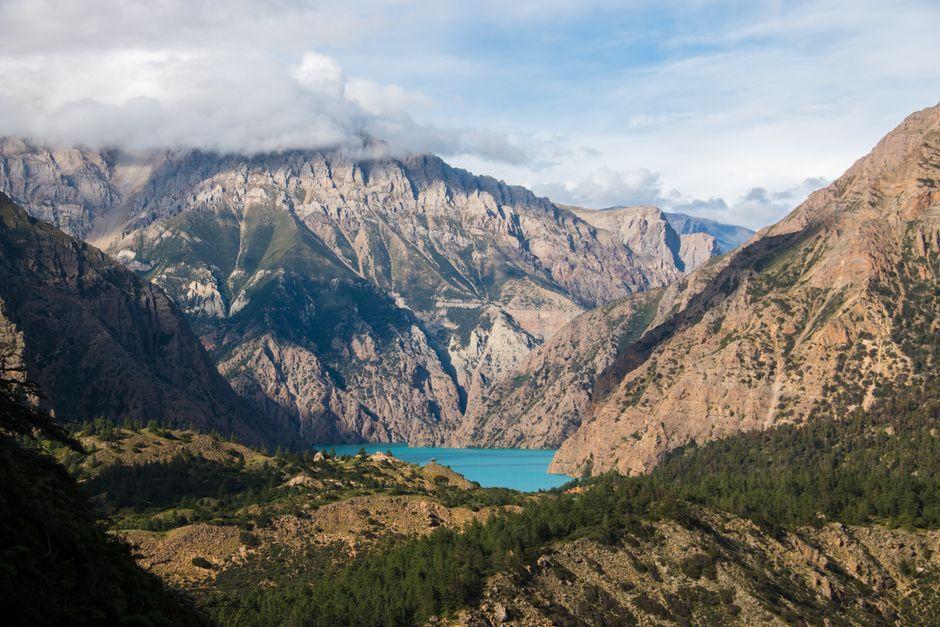
Explore Shey Phoksundo Lake Nepal with our trekking guide—discover turquoise waters, Dolpo culture, and high‑altitude adventure tips.
Shey Phoksundo Lake Trekking & Adventure Guide
Introduction
Shey Phoksundo Lake Nepal stands as one of the most remote and breathtaking destinations for trekkers seeking solitude and natural grandeur. Nestled in the Dolpo region of northwestern Nepal at an altitude of 3,611 meters, this turquoise glacial lake is the crown jewel of Shey Phoksundo National Park. This guide, titled Shey Phoksundo Lake Trekking & Adventure Guide, provides everything you need to plan a successful trek, from logistics to cultural insights, and will help you experience one of the most unforgettable Himalayan adventures.
Why Choose Shey Phoksundo Lake?
- Stunning scenery: The lake’s emerald waters reflect surrounding snow‑capped peaks, creating postcard‑perfect vistas.
- Off‑the‑beaten‑path: Minimal crowds allow you to connect with nature and local Buddhist culture.
- Cultural richness: The Dolpo region preserves ancient monastic traditions, vibrant thangka paintings, and unique stone architecture.
- Adventure opportunities: Options range from day‑hikes around the lake to high‑altitude camping and wildlife spotting.
Best Time to Visit
- Autumn (October–November): Clear skies, crisp mornings, and vibrant autumn colors. Ideal for photography.
- Spring (April–May): Gentle temperatures, blooming rhododendrons, and fewer rainy days.
- Summer (June–September): Monsoon rains can make trails slippery, but fewer crowds.
How to Get There
- Fly to Nepalgunj: Domestic flights from Kathmandu land at Nepalgunj Airport.
- Drive to Simikot: A rough but scenic 4‑hour drive on a dirt road leads to the gateway town of Simikot.
- Sherpa transport or local guides: Hire a local Sherpa or a porter to carry gear from Simikot to the trailhead village of Chharka (approx. 2‑day trek).
Trek Overview
The classic Shey Phoksundo Lake trekking route usually starts at Chharka and follows the Darbhang valley before ascending to Palam and then to Shey Phoksundo Lake. The total trek distance is roughly 70‑80 km, with an average trekking duration of 8‑10 days depending on pace and acclimatization.
Key Highlights Along the Trail
- Chharka – A small village with basic lodges and a checkpoint for customs and permits.
- Mangri – Home to the Shey Monastery, offering a glimpse into local Buddhist rituals.
- Palam – The highest village on the route (≈3,200 m), serving as the final staging point for the lake trek.
- Shey Phoksundo Lake – The ultimate destination, accessible via a 4‑hour lakeside trek from Palam.
Day‑by‑Day Itinerary (Sample 9‑Day Trek)
| Day | Stage | Distance (km) | Altitude Gain | Highlights |
|---|---|---|---|---|
| 1 | Kathmandu → Nepalgunj (flight) | – | – | Arrival, equipment check |
| 2 | Nepalgunj → Simikot (4‑hr drive) | 120 | 1,200 m | Settle in, acclimatize |
| 3 | Simikot → Chharka | 20 | 800 m | Cultural briefing, tea at local tea house |
| 4 | Chharka → Mangri | 12 | 300 m | Visit Shey Monastery, meet local lamas |
| 5 | Mangri → Palam | 15 | 500 m | Steep ascent, enjoy panoramic views |
| 6 | Palam → Lake (short trek) | 5 | 200 m | First lake sighting, set up camp |
| 7 | Full day around the lake | 8 | 0 | Picnic, photography, wildlife spotting |
| 8 | Palam → Tasa (optional) | 10 | 300 m | Explore Tasa village, local markets |
| 9 | Tasa → Simikot | 25 | 800 m | Return trek, departure from Simikot |
Note: This itinerary is flexible. Adjust days based on fitness level and interest.
Accommodations
- Simikot: Basic lodges such as Simikot Guest House provide clean rooms and vegetarian meals.
- Chharka: Chharka Tea House offers a comfortable stop with Wi‑Fi.
- Palam: A few family‑run homestays like Palam Lodge give authentic local experience.
- Camping: For a more adventurous feel, trek with a guide who can set up tents and provide porters. Ensure you have a proper permit and follow Leave No Trace principles.
Local Culture & Buddhism
Religious Practices
- Monks practice Vajrayana Buddhism, combining meditation, mantra recitation, and ritual dances (cham).
- The Shey Monastery (founded in the 11th century) houses ancient scriptures and intricate thangkas.
Daily Life
- Villages are built with stone and white‑washed mud; most families rely on yak herding and barley cultivation.
- Hospitality is deep‑rooted; visitors are often offered tsampa (barley flour) and chang (beer).
Festivals
- Losar (Tibetan New Year) in February/March brings colorful processions and prayers.
- Saka Dawa commemorates Buddha’s birth, death, and enlightenment; monks chant along the lake shore.
Flora & Fauna
- Vegetation: Alpine meadows dotted with rhododendrons, lupins, and blue poppies.
- Wildlife: Snow leopard, Himalayan tahr, red fox, and marmots are common in the park. Bird watchers can spot himalayan monal, eagle, and pheasants.
Travel Advice & Safety
- Permits: Obtain a Shey Phoksundo National Park entry permit and Dolpa district permit from the Nepal Tourism Board office in Kathmandu.
- Acclimatization: Spend at least 2 nights in Kathmandu or Pokhara before heading north to reduce altitude sickness risk.
- Health: Bring a personal first‑aid kit, altitude medication (e.g., acetazolamide), and water purification tablets.
- Weather: Pack layered clothing; temperatures can drop below freezing even in summer.
- Currency: The Nepalese rupee is the official currency; carry small notes and some US dollars for exchange.
- Connectivity: Mobile coverage is spotty; consider buying a local SIM card (Ncell/Nepal Telecom) for emergency calls.
FAQs (Frequently Asked Questions)
Q: Do I need a travel agent?
A: While you can organize the trek independently, hiring a reputable local guide ensures safety, proper permits, and cultural respect.
Q: Is the trek suitable for beginners?
A: The route is moderate. Prior trekking experience and good physical fitness are recommended. Proper acclimatization is crucial.
Q: What is the best season for photography?
A: Autumn (October‑November) offers clear skies and golden lighting, perfect for capturing the lake’s turquoise hue.
**Q: Can I trek with a group or solo?**nA: Both options are viable. Many agencies offer group treks, while solo travelers often join small‑group tours for shared costs.
Q: What about wildlife safety?
A: Keep a safe distance from animals, especially snow leopards. Follow park guidelines and never feed wildlife.
Travel Tips
- Plan logistics early: Permit issuance can take 2‑3 weeks; book accommodations and porters in advance.
- Carry a GPS device or satellite messenger: In case of emergencies, signal is weak in the high valleys.
- Respect local customs: Remove hats when entering monasteries, and avoid photographing monks during prayer.
- Pack light but smart: Aim for a 45‑50 L backpack; essential items include a down jacket, trekking poles, and a headlamp.
- Leave No Trace: Pack out all waste, use designated campsites, and avoid damaging vegetation.
Conclusion
Shey Phoksundo Lake Nepal offers an unparalleled blend of pristine nature, ancient Buddhist culture, and challenging trekking routes. This Shey Phoksundo Lake Trekking & Adventure Guide has provided you with the essential information—timing, logistics, day‑by‑day plans, cultural insights, safety tips, and more—to help you plan an unforgettable journey. Whether you are a seasoned trekker or a curious first‑time visitor, the turquoise waters of Phoksundo and the majestic surrounding peaks will leave you with memories that last a lifetime.
Happy trekking!
—
Remember: Sustainable tourism preserves the beauty of Shey Phoksundo for future generations.