
Discover the magic of Swayambhunath Stupa with our budget travel guide. Learn tips on costs, history, views, and how to experience this sacred Nepal icon.
Swayambhunath Stupa Budget Travel Guide: Your Ultimate Trip Planner
Are you dreaming of witnessing the sunrise over the Kathmandu Valley from a place where spirituality meets breathtaking views? If so, then your journey must lead you to the sacred heights of the Monkey Temple. This Swayambhunath Stupa Nepal is not just a religious landmark; it is a spiritual epicenter that offers a profound sense of peace amidst the chaotic energy of the valley. This comprehensive Swayambhunath Stupa Budget Travel Guide is designed to help you experience the magic of this UNESCO World Heritage site without breaking your bank.
Introduction to the Sacred Monkey Temple
Located on a hilltop overlooking the Kathmandu Valley, Swayambhunath Stupa is one of the most ancient and significant religious sites in Nepal. Known colloquially as the "Monkey Temple" due to the large population of monkeys residing in the surrounding forest, this site holds deep significance for both Buddhists and Hindus.
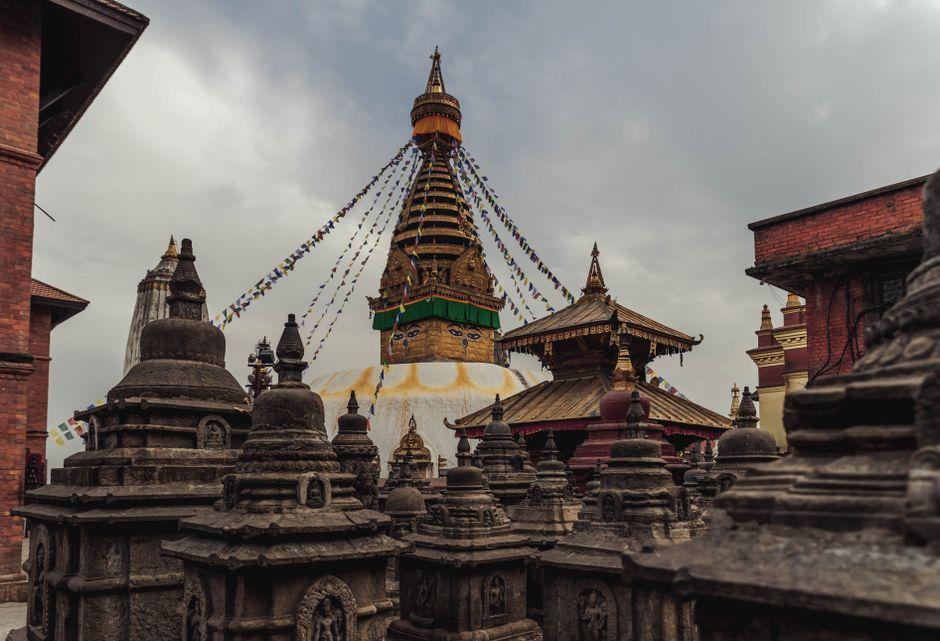
The stupa is a masterpiece of religious art, characterized by its iconic eyes that watch over the valley, symbolizing the omniscience of the Buddha. Whether you are a devout pilgrim or a curious traveler looking for the best panoramic views of Kathmandu, Swayambhunath offers an experience that transcends the ordinary. This guide will navigate you through the history, the best ways to visit, and how to manage your budget effectively.
The History and Significance of Swayambhunath Stupa Nepal
To truly appreciate the Swayambhunath Stupa, one must understand its deep historical roots. Legend has it that the Kathmandu Valley was once a vast lake. When the waters receded, a single lotus flower bloomed, and from this lotus, the stupa emerged. This legend ties the site to the very creation of the valley itself.
Architecturally, the stupa is a complex blend of Buddhist and Hindu traditions. You will see prayer flags fluttering in the wind, which are believed to spread goodwill and compassion through the air as they flap. The intricate carvings, the golden spire, and the watchful eyes are symbols that resonate deeply with the spiritual heartbeat of Nepal.
Why You Should Visit Swayambhunath
1. Spiritual Immersion
Even if you are not religious, the atmosphere of chanting monks, the scent of incense, and the spinning of prayer wheels create a meditative environment that is hard to find anywhere else.
2. Unrivaled Panoramic Views
Because it sits on a hill, Swayambhunath provides a 360-degree view of the Kathmandu Valley. On a clear day, you can see the entire sprawl of Kathmandu, including the bustling streets and distant mountain ranges.
3. Cultural Tapestry
It is one of the few places where you can see the beautiful coexistence of Buddhist and Hindu practices seamlessly integrated into a single sacred site.
Detailed Budget Travel Guide: How to Visit Swayambhunath on a Dime
Traveling through Nepal doesn't have to be expensive. In fact, some of the best experiences are completely free or very low cost. Here is how to navigate Swayambhunath while keeping your wallet heavy.
Entrance Fees and Getting There
- Entrance Fee: There is a small entry fee for foreign tourists to enter the stupa complex. This fee contributes to the maintenance of the site. Expect to pay around 200-500 NPR (depending on nationality). It is always wise to carry local currency (NPR).
- Transportation: The cheapest way to reach Swayambhunath from central Kathmandu (Thamel or Lakeside) is via public buses or micro-buses. These are extremely affordable but can be crowded. Alternatively, renting a bicycle or using a shared tempo (three-wheeler) is a cost-effective and fun way to navigate the hills.
Food and Dining on a Budget
- Avoid the High-End Cafes First: While there are beautiful cafes overlooking the stupa, they often charge a premium for the view. For a budget-friendly meal, head down the hill to the local eateries in the settlements surrounding the base of the hill.
- Street Food Delights: You can find delicious local snacks like Momo (dumplings) and Chatpate at very low prices near the base of the steps. These are filling and authentic.
- Drink Water Locally: Instead of buying multiple plastic bottles, carry a reusable bottle and refill it at your guesthouse or use water filtration methods to save money and reduce plastic waste.
Accommodation Near Swayambhunath
If you wish to stay overnight to witness the sunrise, look for guest houses in the local settlements surrounding the stupa rather than the high-end boutique hotels in Thamel. You will find much cheaper rates and a more authentic local experience.
Top Things to Do at Swayambhunath
- Watch the Sunrise: This is the gold standard of Swayambhunath experiences. Reach the top just as the sun begins to peek over the hills to see the valley glow.
- Walk the Kora: Join the locals in the 'Kora'—the ritual circumambulation of the stupa. Walking clockwise around the stupa while spinning the prayer wheels is a meditative and profound experience.
- Interacting with the Monkeys: The monkeys (macaques) are a staple here. While they are a fun sight, remember to keep your food tucked away and be respectful of their space.
- Photography: The architecture and the views are a photographer's dream. The golden stupa against a bright blue sky is an iconic shot.
Essential Travel Tips for Swayambhunath
- Wear Comfortable Shoes: To reach the top, you must climb hundreds of steep stone steps. Leave the heels at home; wear sturdy walking shoes or sneakers.
- Respect Religious Norms: Always walk clockwise around the stupa and other religious monuments. Dress modestly—covering shoulders and knees is respectful, especially when entering temple areas.
- Timing is Everything: To avoid the heavy crowds and the heat, visit early in the morning or late in the afternoon. The golden hour before sunset is magical.
- Stay Hydrated: Even though it's a religious site, it can get quite warm while climbing. Bring water.
- Be Mindful of Monks: While photography is generally allowed, always ask for permission before taking close-up photos of monks or during prayer ceremonies.
Frequently Asked Questions (FAQs)
Q: Is it okay to eat meat at Swayambhunath?
A: While it is not strictly forbidden for tourists, many locals observe religious dietary restrictions. It is respectful to check or opt for vegetarian options if you are dining near the sacred sites.
Q: How much time should I spend at Swayambhunath?
A: To fully experience the stupa, including the climb, photography, and sitting for a bit of meditation, allow at least 2 to 3 hours.
Q: Is the climb difficult?
A: For a person with moderate fitness, it is manageable. There are many steps, but there are also seating areas along the way if you need to catch your breath.
Q: Can I visit Swayambhunath with children?
A: Yes, but ensure they are prepared for the stairs. The monkeys can sometimes be unpredictable, so keep a close eye on small children.
Conclusion
Swayambhunath Stupa is more than just a waypoint on a Nepal itinerary; it is a destination that offers a glimpse into the soul of the Kathmandu Valley. By following this Swayambhunath Stupa Budget Travel Guide, you can navigate the costs, embrace the culture, and focus on what truly matters: the spiritual beauty and the breathtaking views of this magnificent site. Whether you are a solo backpacker or a family traveler, the Monkey Temple promises memories that will last a lifetime. Plan your trip, pack your walking shoes, and get ready to witness the magic of Swayambhunath Stupa Nepal for yourself!