


Story · Adventure
Choosing a Safe Adventure Operator in Nepal: A Guide for Thrill Seekers
By Beautiful Nepal6 min read
Planning your next trip? Learn how to vet an adventure operator in Nepal to ensure your safety, equipment standards, and overall experience are top-tier.
Selecting a reliable adventure operator in Nepal is the most important step in ensuring your high-altitude journey or wilderness expedition remains safe and rewarding. With hundreds of agencies competing for business, understanding how to vet these companies requires a focus on professional credentials, safety protocols, and transparent communication. A well-chosen operator acts as your lifeline in the Himalayas, turning a potentially dangerous endeavor into a seamless, life-changing experience.
The scope of adventure activities in Nepal
Adventure in Nepal spans far beyond the popular trekking routes of the Everest and Annapurna regions. It encompasses white-water rafting on the surging Trishuli or Bhote Koshi rivers, mountain biking across the high, arid passes of Mustang, and peak climbing in the remote, glaciated corners of the Himalayas.
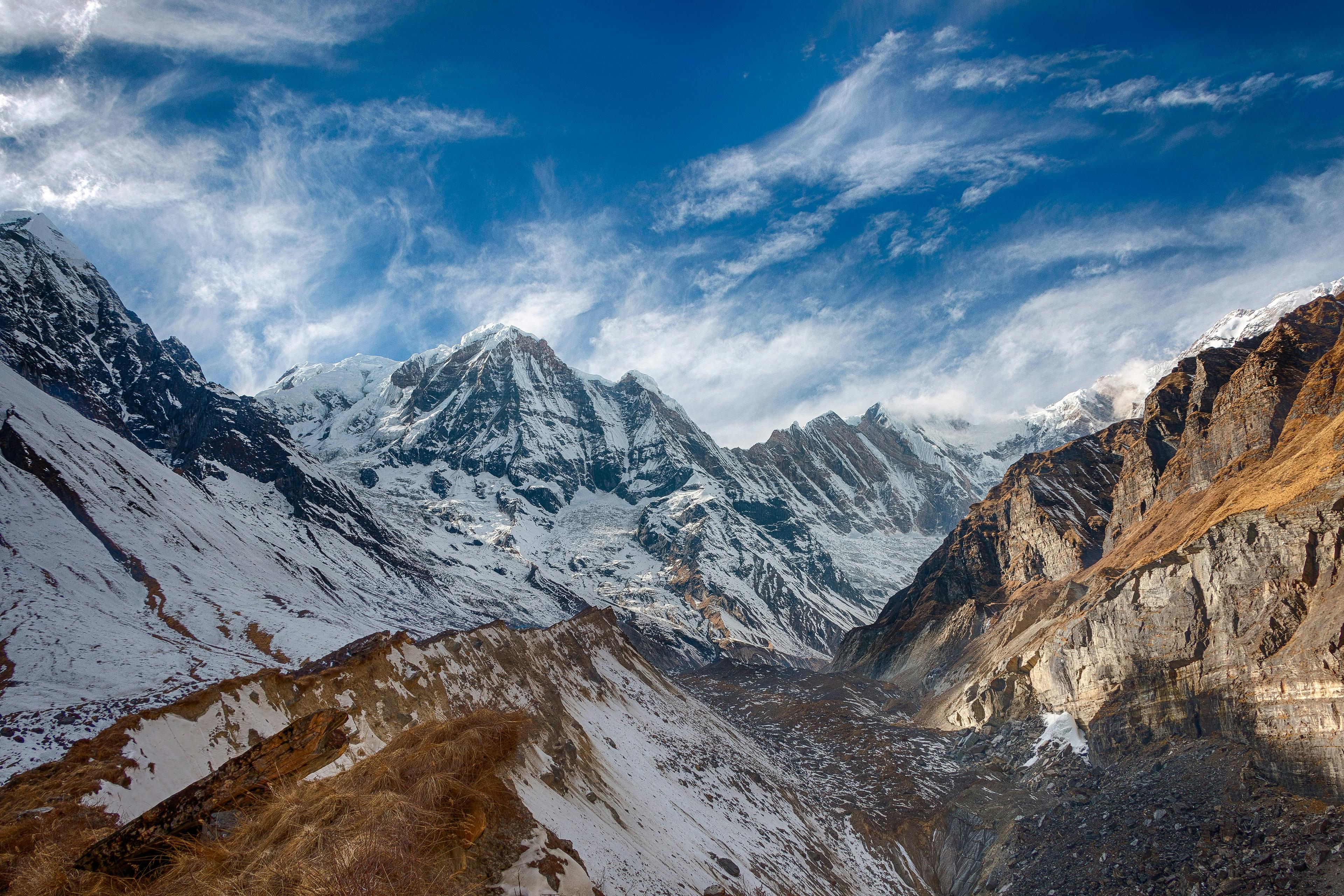
These activities take place in diverse topographies, ranging from the humid, subtropical lowlands of the Terai—where jungle safaris and river expeditions thrive—to the glaciated, high-altitude zones above 5,000 meters. Whether you are canyoning in the hidden shadows of the Annapurna range or embarking on a multi-week expedition to a remote base camp, the landscape is both magnificent and physically demanding. Each activity requires a specific set of skills, and a professional operator will have specialized departments or teams dedicated to each discipline rather than a "one-size-fits-all" approach.
Best season and conditions
Nepal experiences distinct climatic shifts, and choosing the right time is critical for safety. November, currently marking the peak of the autumn season, offers some of the most stable weather in the country. The monsoon rains have cleared, leaving behind crisp, blue skies and excellent visibility for panoramic mountain views.
Autumn is also the time when Nepal celebrates its major festivals, such as Dashain and Tihar. While these periods are culturally vibrant, they can impact logistics as many local staff return home to their families, potentially affecting the availability of guides or transport. Conversely, spring (March to May) is the second-best window, known for blooming rhododendrons and warmer temperatures, though it brings a higher risk of haze as the season progresses. Winter (December to February) is ideal for lower-altitude trekking, but requires specialized gear for extreme cold. Always consult your operator about the specific micro-climates of your chosen region, as weather in the shadow of an 8,000-meter peak can change in minutes.

What a typical trip looks like
On a standard trek or adventure circuit, your day usually begins before sunrise. You will typically start with a warm beverage, such as chiya (milky spiced tea), followed by a hearty breakfast to fuel the day's movement. The morning hours are prioritized for travel to make the most of the clear weather before clouds move in by the afternoon, which is a common pattern in the Himalayas.
Lunch is often a mid-day stop at a local teahouse, where you might eat dal bhat (a staple meal of lentils, rice, and vegetable curry). This meal is designed for sustained energy, and you will find it is the preferred fuel for local guides and porters alike. After arriving at your destination, the evening is spent resting, reviewing the plan for the next day, and perhaps sharing stories with fellow travelers. Professional operators ensure these days are paced to allow for proper acclimatization, preventing altitude-related issues by strictly following the "climb high, sleep low" rule and building in mandatory rest days.
Safety, fitness and choosing an operator
When vetting an adventure operator in Nepal, you must look beyond flashy websites. A legitimate company will be registered with the Department of Tourism and hold memberships with organizations like the Trekking Agencies' Association of Nepal (TAAN) or the Nepal Mountaineering Association (NMA).
Critical vetting criteria
- Guide Certification: Ensure the lead guide is licensed by the Nepal Academy of Tourism and Hotel Management (NATHM) and holds a wilderness first-aid certification. Ask for the guide's name and experience level beforehand.
- Equipment Standards: For technical trips, request photos or lists of their climbing gear. Ensure ropes, harnesses, and helmets meet international UIAA standards. Do not be afraid to inspect gear upon arrival at the agency office.
- Insurance Policies: A reputable operator will provide insurance for their staff, including high-altitude rescue coverage. They should also verify that your personal travel insurance covers the specific altitude you intend to reach and includes emergency helicopter evacuation.
- Communication: Look for companies that provide satellite phones or reliable radio communication for remote expeditions. In areas without cellular coverage, the ability to signal for help is a non-negotiable safety feature.
Fitness is equally important. Your operator should ask about your prior experience and health status before accepting your booking. If a company does not ask for your medical history or fitness training routine, it is a significant red flag. They should provide a recommended training plan several months before your departure.
Costs and budgeting
Adventure costs in Nepal vary wildly based on the level of service, the remoteness of the region, and the duration of the trip. A standard teahouse trek might cost between $800 and $1,500 for a 10-day itinerary, while fully supported peak climbing expeditions can range from $3,000 to $8,000 or more.
Always ask for a detailed breakdown of what is included. Confirm if permits (such as TIMS or National Park entry fees), park entrance fees, domestic flights, and staff tips are covered in the initial quote. Be wary of "too good to be true" prices, as these often indicate the operator is cutting costs on staff wages, using outdated safety equipment, or failing to provide adequate insurance for their porters. Ethical tourism involves paying a fair price that ensures your support team is treated with dignity and provided with proper gear.

What to bring
Packing for Nepal requires a balance between preparation and weight reduction. Regardless of the season, layering is the golden rule. You should bring moisture-wicking base layers, an insulating mid-layer, and a high-quality down jacket for cold evenings. If you are hiring a porter, remember that there is usually a weight limit (often 15–20kg) to ensure the well-being of the staff.
| Item Category | Essential Items |
|---|---|
| Footwear | Sturdy, broken-in trekking boots, wool socks, camp shoes |
| Protection | UV-rated sunglasses, high-SPF sunscreen, sun hat, lip balm |
| Health | Personal first-aid kit, water purification tablets, blister pads |
| Gear | Sleeping bag rated to at least -15°C, durable daypack, headlamp |
Frequently asked questions
Do I really need a guide for trekking in Nepal?
While some regions allow independent trekking, many national parks and conservation areas now mandate the presence of a licensed guide for safety and environmental regulation. Hiring a guide also provides invaluable cultural context and ensures you have someone to manage logistics during emergencies.
How do I verify a trekking agency's license?
You can check the agency's registration number on their website and cross-reference it with the Department of Tourism or TAAN member lists. If you are in Kathmandu, you can visit their office to see their physical permits and speak with their staff in person.
What should I do if I feel symptoms of altitude sickness?
Inform your guide immediately, as they are trained to recognize the symptoms of Acute Mountain Sickness (AMS). The standard procedure is to stop ascending, descend to a lower altitude, and stay hydrated until symptoms subside. Never ignore a headache or nausea at high altitude.
Are tips mandatory for guides and porters?
While not strictly mandatory, tipping is a standard practice in Nepal as a gesture of gratitude for the hard work of your support team. Discuss the expected tipping structure with your operator at the beginning of the trip to avoid any awkwardness at the end.
What if my flight is cancelled due to weather?
Weather-related flight delays are common in the mountains, particularly in places like Lukla or Jomsom. A professional operator will have contingency plans and will assist you in rebooking or arranging alternative transport, though you should ensure your travel insurance covers these disruptions.
—
As you finalize your plans, you might want to explore the historical architecture of the Kathmandu Valley, sample traditional momos (steamed dumplings) in a local eatery, or consider a shorter, scenic hike near Nagarkot to warm up your legs before a bigger journey. Proper preparation is the foundation of every great adventure in Nepal.
Keep exploring
More from the journal

Story · Travel Tips
A Traveler’s Guide to Tipping in Nepal: Etiquette for Guides, Porters, and Beyond
Navigate the nuances of tipping in Nepal with our practical guide, covering expectations for trekking, dining, and transport during your autumn travels.
Beautiful Nepal

Story · Wildlife & Nature
Birdwatching in Nepal: A Guide to Koshi Tappu and Beyond
Discover the best locations, timing, and ethical practices for birdwatching in Nepal, from the wetlands of Koshi Tappu to the high-altitude Himalayan trails.
Beautiful Nepal

Story · Trekking
Trekking in Nepal in Winter: A Guide to Cold Weather Adventures
Discover the benefits of trekking in Nepal in winter, including clear views, fewer crowds, and practical advice for navigating cold-weather Himalayan trails.
Beautiful Nepal
Plan with a local expert
Begin your journey to Nepal
Tell us how you like to travel. We'll connect you with a licensed local specialist who can shape a private itinerary around you — at no cost to plan.