


Story · Travel Tips
A Traveler’s Guide to Tipping in Nepal: Etiquette for Guides, Porters, and Beyond
By Beautiful Nepal6 min read
Navigate the nuances of tipping in Nepal with our practical guide, covering expectations for trekking, dining, and transport during your autumn travels.
Understanding the cultural expectations for tipping in Nepal is a vital part of planning your journey, as it ensures your gratitude is expressed appropriately. While tipping is not a traditional practice in the country, it has become standard in the tourism sector, particularly during the busy autumn trekking season. Navigating these expectations can feel complex, but by understanding the context of the local economy and the nature of the service industry, you can ensure your generosity is both helpful and culturally respectful.
The short answer
In Nepal, tipping is entirely discretionary but highly appreciated in service-oriented roles. You are not expected to tip for every interaction, but for trekking staff, private drivers, and at restaurants serving international tourists, a modest gratuity is customary. For local roadside tea shops or small, family-run eateries, tipping is rarely expected and may even be met with confusion. The goal of tipping in Nepal should be to acknowledge exceptional service rather than to follow an arbitrary set of rules.
Understanding the expectations
When you travel through Nepal, you will encounter various scenarios where tipping is common. Distinguishing between these situations will help you manage your budget and respect local customs. It is important to remember that for many service workers, especially in the tourism industry, tips supplement a base income that may be modest.
Trekking and expedition staff
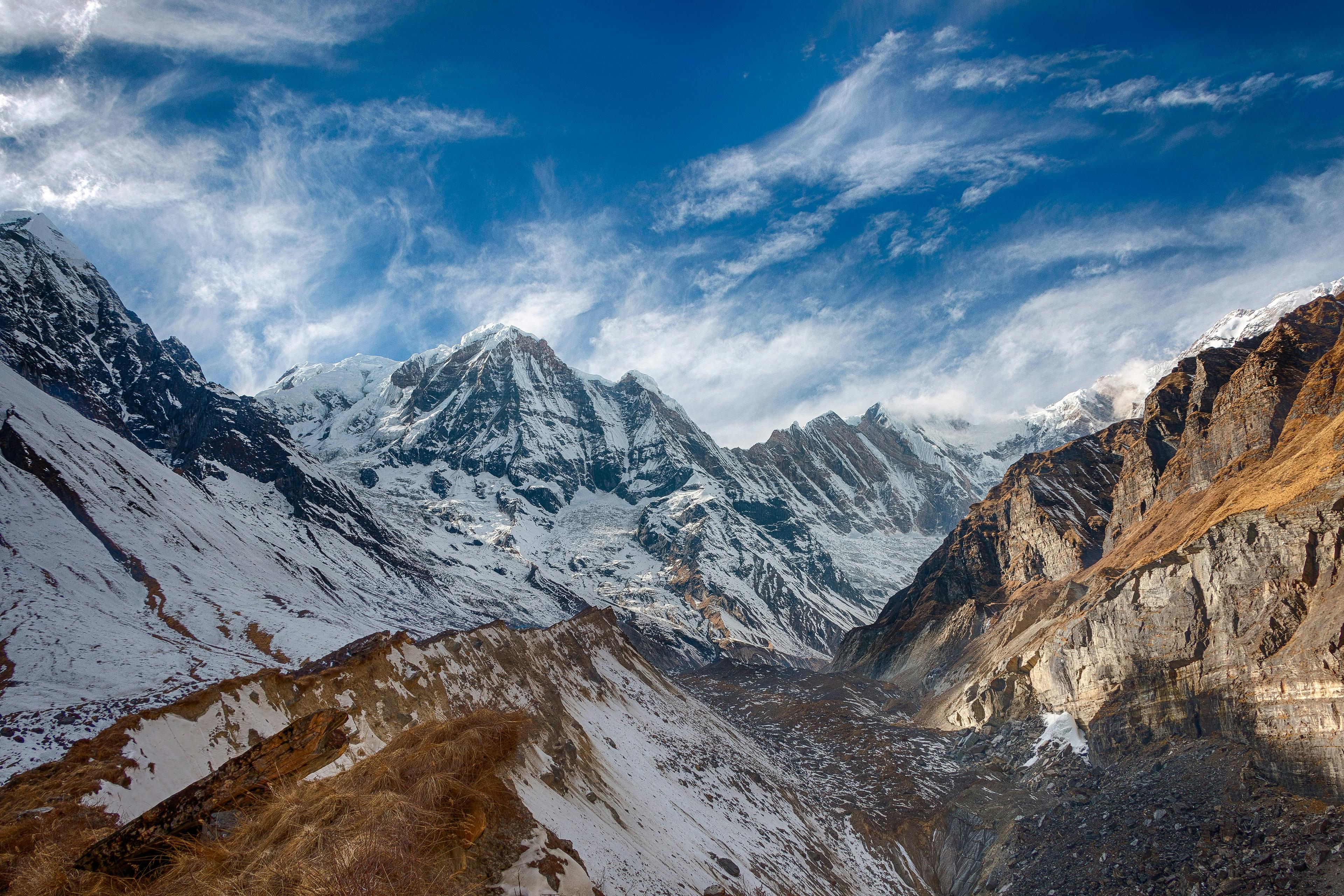
The most significant tipping happens on the trail. If you are on an organized trek to areas like the Everest or Annapurna regions, it is customary to provide a tip at the end of the trip. A standard practice is to allocate roughly 10% to 15% of the total trekking cost to be divided among the guide and porter team, depending on the quality of service.
When calculating this, consider the duration of the trek and the difficulty of the terrain. A porter carrying heavy gear over high mountain passes provides a service that is physically demanding; showing appreciation for their hard work is a cornerstone of responsible tourism. If your group is large, consider the total pool of money and how it will be distributed among the head guide, assistant guides, and the porters. It is often helpful to have a conversation with your lead guide on the final evening to ensure the distribution is transparent and equitable.
Dining and hospitality
In upscale restaurants in Kathmandu or Pokhara that include a service charge on the bill, no further tip is necessary. If no service charge is included, rounding up the bill or leaving 5% to 10% is a generous gesture. In smaller, local eateries—often referred to as 'bhattis'—simply paying the bill is sufficient. These establishments operate on thin margins, and while a tip is not expected, a pleasant interaction and a polite expression of thanks are the most appropriate forms of acknowledgment.
Transport and private drivers
For private drivers hired for multi-day trips, a tip of 500 to 1,000 Nepali Rupees (NPR) per day is considered appropriate if they have provided excellent service, such as navigating difficult mountain roads safely or offering local insights. For short taxi rides within cities, tipping is not required, though many travelers round up the fare to the nearest hundred for convenience. Always agree on the price before the ride starts, as this prevents any ambiguity regarding payment and tipping.

Costs and guidelines
While there are no official government mandates regarding gratuities, industry associations for trekking agencies often provide suggested guidelines. Always confirm with your agency before starting your trek to see if they have a "tipping pool" policy, which ensures that porters, who do the most physically demanding work, receive a fair share of the gratuity. Having this conversation early allows you to budget accordingly and ensures you have enough cash on hand.
| Service Type | Recommended Tip Range |
|---|---|
| Trekking Guide | 10% - 15% of total cost |
| Porter | 500 - 1,000 NPR per day |
| Private Driver | 500 - 1,000 NPR per day |
| Upscale Restaurant | 5% - 10% if no service charge |
| Hotel Staff | 100 - 200 NPR per bag |
Common mistakes to avoid
One common mistake is tipping too much, which can disrupt local price structures and create unrealistic expectations for future travelers. Avoid tipping in foreign currency (like USD or EUR) unless specifically requested, as small-denomination notes are difficult for locals to exchange. Always use Nepali Rupees to ensure the recipient can use the money immediately. If you are in a remote area, remember that the local economy relies on liquidity, and large foreign bills are virtually impossible to use for daily expenses.
Another error is handing cash openly in public settings where it might be seen as condescending. It is more respectful to place the tip in an envelope or hand it discreetly to the individual at the end of your service. If you are tipping a team, presenting the envelope to the lead guide in private allows them to manage the distribution with dignity. Finally, never feel pressured to tip if the service was genuinely poor; tipping should remain a reward for good service and a reflection of your satisfaction.

Local tips for travelers
During the autumn season, you will likely encounter festivals like Tihar, the festival of lights. During such times, small acts of kindness, such as offering a small bonus or a gift, are deeply appreciated by staff who are working away from their families. Always carry small denominations of NPR notes, as change is often hard to come by in remote mountain villages. Keeping a stash of 100 and 500 NPR notes in a separate, accessible part of your wallet will save you from the awkwardness of needing change that the provider does not have.
If you are enjoying a cup of chiya (milky spiced tea) at a small stall, do not feel obligated to tip. Instead, a friendly smile and a "dhanyabad" (thank you) go a long way in building rapport. Remember that genuine appreciation is often valued as much as the monetary tip itself. In Nepal, the social connection formed during a meal or a trek is often considered just as important as the transaction itself.
Frequently asked questions
Do I need to tip my hotel porter?
It is customary to tip hotel porters about 100 to 200 NPR per bag if they carry your luggage to your room. This is a small gesture that is greatly appreciated for their assistance, especially in hotels with many stairs or no elevators.
Should I tip in USD or NPR?
Always tip in local currency (NPR). Local service staff often struggle to exchange foreign coins or small foreign notes, so providing Rupees is the most practical and helpful method. It saves the recipient time and bank fees associated with currency conversion.
Is tipping mandatory in Nepal?
No, tipping is never mandatory in Nepal. It is a gesture of appreciation for good service, and you should never feel forced to tip if you are uncomfortable or if the service was not up to standard. Your choice to tip should always be based on your personal experience.
How should I tip a large trekking crew?
If you have a large crew, it is best to provide the tip in a collective envelope to the head guide at the end of the trek. Ask them to distribute it fairly among the team, including the porters and assistant guides. This ensures that everyone who contributed to your safety and comfort is recognized.
What if I don't have enough small change?
If you want to tip but lack small change, it is perfectly acceptable to wait until you reach a town where you can break larger bills. Your guide will understand if you need a day or two to organize the cash. Do not feel that you must over-tip simply because you lack the correct small denominations.
After you have mastered the etiquette of tipping, you might want to explore the vibrant street food scene in Kathmandu, plan a visit to the serene lakeside in Pokhara, or look into the cultural significance of the Dashain festival.
Keep exploring
More from the journal

Story · Wildlife & Nature
Birdwatching in Nepal: A Guide to Koshi Tappu and Beyond
Discover the best locations, timing, and ethical practices for birdwatching in Nepal, from the wetlands of Koshi Tappu to the high-altitude Himalayan trails.
Beautiful Nepal

Story · Adventure
Choosing a Safe Adventure Operator in Nepal: A Guide for Thrill Seekers
Planning your next trip? Learn how to vet an adventure operator in Nepal to ensure your safety, equipment standards, and overall experience are top-tier.
Beautiful Nepal

Story · Trekking
Trekking in Nepal in Winter: A Guide to Cold Weather Adventures
Discover the benefits of trekking in Nepal in winter, including clear views, fewer crowds, and practical advice for navigating cold-weather Himalayan trails.
Beautiful Nepal
Plan with a local expert
Begin your journey to Nepal
Tell us how you like to travel. We'll connect you with a licensed local specialist who can shape a private itinerary around you — at no cost to plan.