Discover the untouched beauty of Rara Lake Nepal – the ultimate guide to the best time to visit, travel tips, and FAQs.
Best Time to Visit Rara Lake
Overview of Rara Lake Nepal
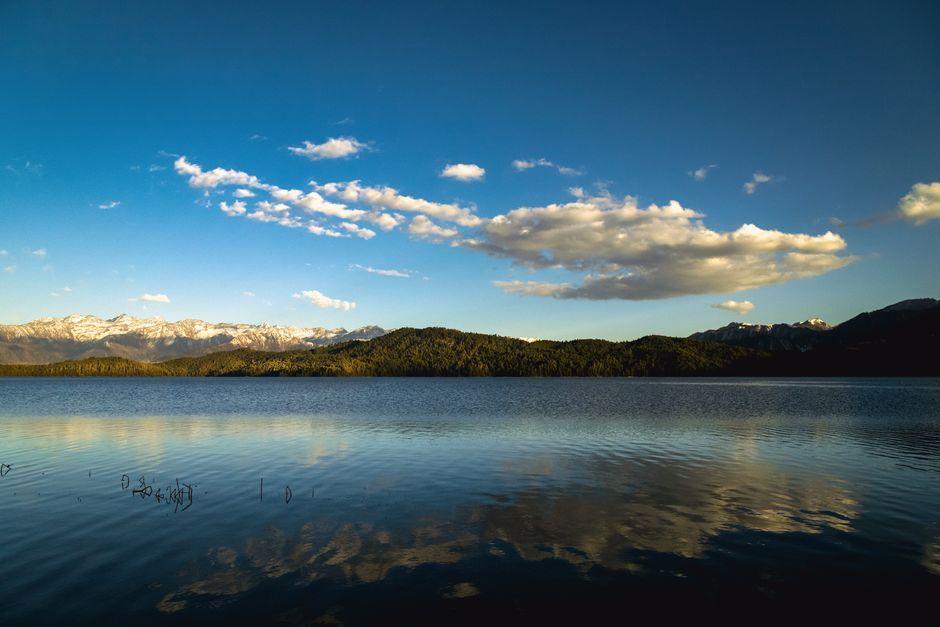
Rara Lake is the crown jewel of Rara National Park, the largest protected area in Nepal. Situated at an elevation of 3,100 meters above sea level, this alpine freshwater lake covers 20.35 km² and reaches a maximum depth of 167 meters, making it the deepest lake in the country. Surrounded by snow‑capped peaks, dense coniferous forests, and a rich variety of wildlife, Rara Lake offers a pristine wilderness experience that feels worlds away from the bustling Kathmandu Valley.
The lake is often described as a "hidden gem" because it is far from the typical tourist trail. For travelers seeking tranquility, untouched nature, and a glimpse of authentic Himalayan culture, Rara Lake Nepal is an ideal destination. Its remote location also means that the best time to visit Rara Lake is crucial for a comfortable and rewarding experience.
Why Visit Rara Lake?
- Untouched Natural Beauty: The lake's crystal‑clear waters reflect the surrounding mountains, creating postcard‑perfect scenes.
- Biodiversity: The area hosts rare species such as the red panda, Himalayan black bear, and several migratory birds.
- Cultural Experience: Local Tharu and Khas communities preserve traditional lifestyles, offering homestay opportunities.
- Adventure & Trekking: The lake is the starting point for several trekking routes, including the popular Rara Lake Trek and the Nanda Devi Circuit.
- Serenity: With only a handful of visitors each year, the lake provides unparalleled peace and quiet.
Seasonal Breakdown: The Best Time to Visit Rara Lake
Spring (March – May)
Spring is the first peak season for Rara Lake Nepal. As the snow melts, the surrounding hills burst into a tapestry of wildflowers, and the weather becomes mild.
- Temperature: Daytime highs range from 10°C to 18°C, while nights can drop to 0°C.
- Scenery: Rhododendron forests bloom, and the lake’s surface is often partially frozen in early March, offering striking ice‑mirrored views.
- Wildlife: Migratory birds return, and the breeding season for many species begins.
- Travel Considerations: Trails are generally clear, but occasional landslides can occur after heavy rains. Pack waterproof gear and be prepared for variable weather.
Summer (June – August)
Summer is the most popular time for tourists, especially Indian and domestic travelers, due to the warm and stable climate.
- Temperature: Daytime temperatures hover between 15°C and 22°C, making it comfortable for trekking.
- Rainfall: The monsoon brings occasional showers, but the lake remains mostly dry, and the surrounding meadows are lush.
- Activities: Boating, fishing, and bird‑watching are at their peak. The clear skies provide spectacular views of the Dhaulagiri and Kumpu ranges.
- Crowds: Expect more visitors, especially during the Rara Lake Festival in early July, which celebrates local culture with music and dance.
Autumn (September – November)
Autumn is often considered the best time to visit Rara Lake for photographers and trekkers alike. The weather is crisp, and the vistas are unrivaled.
- Temperature: Daytime highs of 12°C to 19°C, with cool nights.
- Clear Skies: Minimal cloud cover creates vivid colors and sharp shadows, perfect for landscape photography.
- Harvest Season: Local communities celebrate the rice and wheat harvest, offering cultural immersion.
- Trekking Conditions: Trails are dry, and the risk of landslides is low, making it safe for multi‑day hikes.
Winter (December – February)
Winter transforms Rara Lake into a serene, snow‑covered wonderland, but it also presents challenges.
- Temperature: Can plunge to -10°C, with heavy snowfall at higher elevations.
- Lake Surface: Frequently frozen, creating a stunning mirror effect.
- Accessibility: Some trekking routes become impassable, and road access may be limited. Only experienced trekkers with proper gear should consider this season.
- Unique Experience: For those seeking solitude and dramatic scenery, winter offers an unforgettable, almost otherworldly atmosphere.
Practical Travel Advice for Rara Lake Nepal
How to Reach Rara Lake
- Fly to Kathmandu – International flights land at Tribhuvan International Airport.
- Domestic Flight to Birendranagar – A short 45‑minute flight from Kathmandu to this far‑west airport.
- Road Transfer – From Birendranagar, a 6‑hour jeep ride on a rough but paved road leads to Rara village, the gateway to the lake.
- Trekking Route – For adventurous travelers, the Rara Lake Trek starts from Rara village and takes 2‑3 days, passing through forests and high passes.
Permits and Regulations
- Park Entry Permit: All visitors must obtain a Rara National Park permit at the park office in Jhalari or Rara village. The fee is approximately NPR 2,000 for foreigners.
- Trekking Permit: If you plan to trek beyond the lake, a Trekking Information Management System (TIMS) card is required.
- Responsible Tourism: Stay on marked trails, avoid littering, and respect local customs. The park authority enforces strict rules to preserve the fragile ecosystem.
Accommodation Options
- Rara Lake Lodge: A modest lodge offering basic rooms, meals, and guided tours. Ideal for first‑time visitors.
- Homestays: Several families in Rara village provide authentic homestay experiences, including traditional cuisine and cultural exchanges.
- Camping: Designated campsites are available near the lake shore for those who wish to camp under the stars. Permits for camping are included in the park entry fee.
Health and Safety Considerations
- Altitude Sickness: At 3,100 meters, some travelers may experience mild altitude sickness. Ascend gradually, stay hydrated, and consider carrying a basic altitude medication kit.
- Medical Facilities: Limited; the nearest clinic is in Jhalari. Carry a personal first‑aid kit and any prescribed medication.
- Connectivity: Mobile network coverage is sporadic. Consider a satellite phone for remote areas.
Frequently Asked Questions (FAQs)
Q1: What is the best time to visit Rara Lake?
A: The optimal months are late September to early November (autumn) when the weather is clear, temperatures are moderate, and the lake is largely ice‑free. However, late May to early July (early summer) is also popular for its warm climate and blooming flora.
Q2: Do I need a guide for the Rara Lake trek?
A: While it is possible to trek independently, hiring a local guide is recommended for safety, navigation, and cultural insights. Guides are readily available in Rara village.
Q3: Is there any accommodation available during winter?
A: Yes, the Rara Lake Lodge remains open year‑round, though facilities are more basic. Camping is possible, but you must be prepared for extreme cold and snow.
Q4: What wildlife can I expect to see?
A: Rara National Park is home to the red panda, Himalayan black bear, musk deer, and over 150 bird species, including the impeyan pheasant and various waterfowls.
Q5: Can I swim in Rara Lake?
A: Swimming is allowed in designated areas, but the water is very cold (around 4‑6°C). Always assess conditions and follow local advice.
Travel Tips for a Memorable Rara Lake Experience
- Pack Layered Clothing: Weather can shift quickly; bring thermal base layers, fleece jackets, and a waterproof outer shell.
- Altitude Acclimatization: Spend at least one night at a lower elevation (e.g., Birendranagar) before ascending to the lake.
- Cash is King: ATMs are scarce; carry enough Nepalese rupees for lodging, food, and permits.
- Respect Local Culture: Dress modestly when visiting villages, ask permission before photographing people, and participate in local customs.
- Leave No Trace: Use biodegradable soap, pack out all waste, and avoid picking plants or disturbing wildlife.
- Best Photography Times: Early morning (sunrise) and late afternoon (golden hour) provide the most dramatic lighting on the lake and surrounding peaks.
- Connectivity: Purchase a local SIM card (Ncell or Nepal Telecom) for better coverage; however, expect limited internet in remote spots.
- Transportation: Hire a reputable 4×4 vehicle for the road journey from Birendranagar; the road can be bumpy, especially after monsoon rains.
Conclusion
Rara Lake Nepal stands as a pristine sanctuary where nature, culture, and adventure converge. The best time to visit Rara Lake depends on your preferred experience — whether you seek vibrant spring blooms, warm summer days, crisp autumn vistas, or the tranquil solitude of a winter wonderland. By planning your trip around the seasonal nuances, securing the necessary permits, and preparing adequately for altitude and weather, you can enjoy an unforgettable journey into one of Nepal’s most untouched landscapes. Embrace the serenity, capture the breathtaking moments, and contribute to the preservation of this extraordinary alpine lake for future generations.
—
Keywords: Rara Lake Nepal, Best Time to Visit Rara Lake, Rara National Park, high altitude lake, Nepal travel guide, remote lake tourism, trekking in Nepal, wildlife in Rara, mountain lake, off the beaten path}