
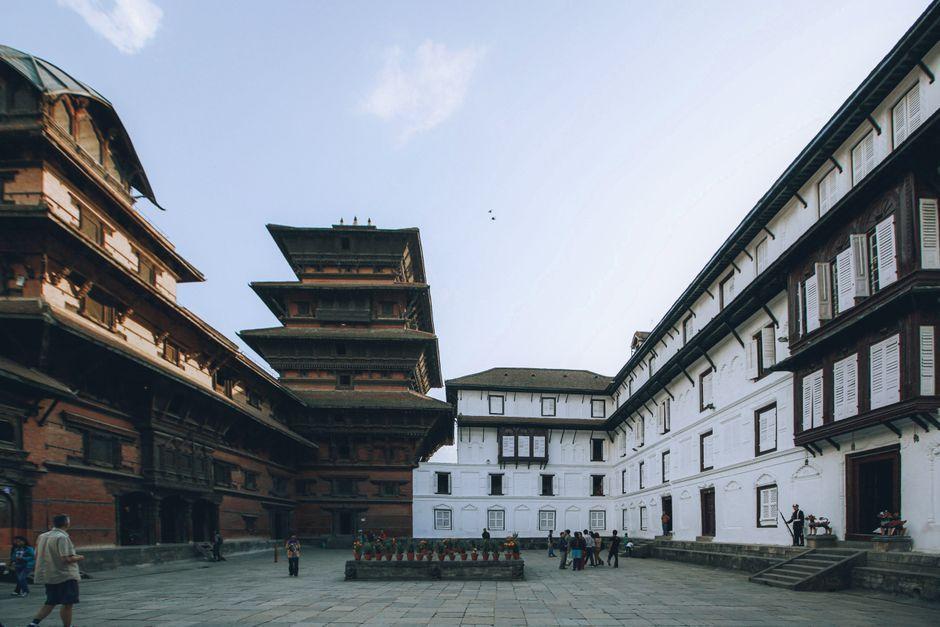
Explore Bhaktapur Durbar Square in Nepal: a UNESCO site with ancient architecture and vibrant culture. A complete travel guide for history and adventure lovers.
Complete Travel Guide to Bhaktapur Durbar Square, Nepal
Introduction
Nestled on the outskirts of Kathmandu, Bhaktapur Durbar Square is a UNESCO World Heritage Site that offers a glimpse into Nepal's medieval past. With its narrow cobblestone streets, intricately carved wooden windows, and centuries-old pottery traditions, this ancient city is a must-visit for travelers seeking cultural immersion and historical wonder. Whether you're a history enthusiast or a curious traveler, Bhaktapur Durbar Square delivers an unforgettable experience.
Why Visit Bhaktapur Durbar Square?
Bhaktapur Durbar Square stands out among Nepal's heritage sites for its well-preserved medieval architecture and vibrant local culture. Unlike more commercialized destinations, this square retains its authentic charm, offering a quieter yet equally enriching experience. The square is a living testament to Nepal's golden age, with structures dating back to the 15th century.
History and Significance
Bhaktapur, meaning "devotee's town," was established in the 8th century and flourished as a center of art and politics. The Durbar Square, or palace complex, served as the administrative heart of the city during the Malla dynasty. Key landmarks like the Five-Storied Palace and the Gold Temple reflect the craftsmanship of ancient artisans. The square's layout and design were influenced by both Hindu and Buddhist traditions, making it a unique cultural blend.
Exploring Bhaktapur Durbar Square
Architectural Highlights
- Five-Storied Palace: A masterpiece of medieval architecture with intricate wood carvings and ornate wooden windows.
- Gold Temple (Swayambhunath): Though technically outside the main square, this iconic stupa is a short walk away and symbolizes Bhaktapur's spiritual heritage.
- HashMohani Palace: Known for its beautiful wooden latticework and historical significance.
Cultural Experiences
- Pottery Workshops: Bhaktapur is famous for its traditional pottery. Visit local workshops to watch artisans craft clay items using time-honored techniques.
- Local Festivals: Events like Indra Jatra and Bisket Jatra showcase the city's vibrant traditions and rituals.
Hidden Gems
- Dharmachakrapala Museum: A lesser-known spot housing rare manuscripts and religious artifacts.
- Local Markets: Explore the narrow alleys for handmade souvenirs, spices, and traditional attire.
Travel Advice
Best Time to Visit
The ideal time to visit Bhaktapur Durbar Square is during the spring (March to May) or autumn (September to November) when weather is mild. Avoid the monsoon season (June to August) due to heavy rainfall and road closures.
Getting There
- By Road: A 30-minute drive from Kathmandu. Taxis or private vehicles are readily available.
- By Public Transport: Local buses connect Kathmandu to Bhaktapur, though they may be less comfortable.
Practical Tips
- Entry Fee: A nominal fee (NPR 500) grants access to the Durbar Square and surrounding monuments.
- Guided Tours: Hiring a local guide can enhance your understanding of the site's history and cultural nuances.
- Photography: Many sites allow photography, but ask for permission before taking photos of people.
FAQs
Q: What is the entry fee for Bhaktapur Durbar Square?
A: The entry fee is approximately NPR 500, which includes access to the Durbar Square and major monuments.
Q: Are there any restrictions on photography?
A: Photography is generally allowed, but respectful behavior is expected. Some religious sites may require permission.
Q: How much time should I spend there?
A: A full day is recommended to explore the square, nearby temples, and local workshops.
Q: Is Bhaktapur safe for solo travelers?
A: Yes, Bhaktapur is considered safe for solo travelers. However, as with any destination, exercise basic precautions.
Travel Tips
- Dress Modestly: Cover your shoulders and knees when visiting temples or religious sites.
- Try Local Cuisine: Don't miss out on traditional dishes like momos, samosas, and dal bhat.
- Stay Hydrated: Carry a reusable water bottle, as bottled water is readily available.
- Support Local Artisans: Purchase handmade pottery or textiles directly from local families.
Conclusion
Bhaktapur Durbar Square is more than just a historical site; it's a living culture. Its timeless architecture, artistic traditions, and warm hospitality make it a standout destination in Nepal. By exploring this medieval gem, travelers gain a deeper appreciation for Nepal's rich heritage and the enduring legacy of its people.
Final Thoughts
Whether you're drawn to history, art, or serenity, Bhaktapur Durbar Square offers something for everyone. Its relatively untouched charm sets it apart from other tourist hotspots, making it a hidden treasure in Nepal's crown jewel, Kathmandu.